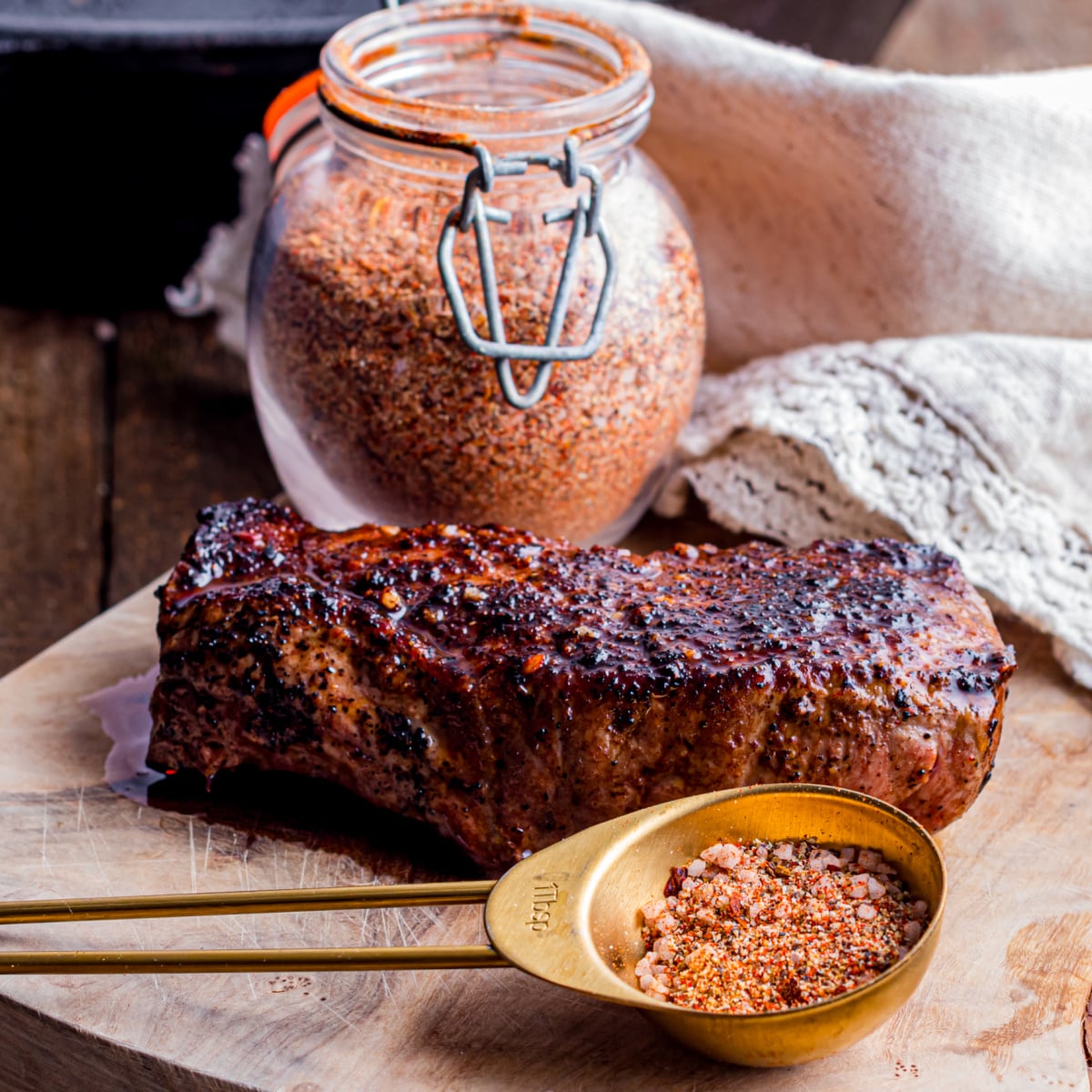
Master Homemade Steak Seasoning: Ditch Store-Bought for Unforgettable Flavor
Forget bland, mass-produced shakers. Crafting your own homemade
steak seasoning recipe is the secret to transforming an ordinary cut of beef into an extraordinary culinary experience. It’s an art form, a bridge between raw potential and a restaurant-quality masterpiece, promising a flavor-packed, melt-in-your-mouth sensation with every bite. This comprehensive guide will empower you to create bespoke seasoning blends that will make you question why you ever bought pre-mixed spices. We'll dive into the science, the chef-inspired secrets, and the practical steps to ensure your steaks are always perfectly seasoned, whether grilled, pan-seared, or smoked.
Why Homemade Steak Seasoning Reigns Supreme
The allure of a homemade
steak seasoning recipe lies in unparalleled control and superior results. While store-bought blends offer convenience, they often contain fillers, anti-caking agents, or excessive sodium, masking the true flavor of your steak. When you craft your own, you dictate the quality of each ingredient, ensuring freshness, potency, and a flavor profile perfectly tailored to your palate.
Beyond personal preference, seasoning plays a critical role in the final texture and taste of your steak. It’s not just about adding flavor; it's about unlocking the meat's inherent richness. Salt, for instance, is a true flavor alchemist. When applied liberally to the steak's surface, it draws out moisture, forming a natural brine that is then reabsorbed into the meat. This process not only deepens the flavor profile but also tenderizes the surface, paving the way for that coveted, caramelized crust when seared at high temperatures. Spices like paprika, garlic powder, and onion powder contribute to this crust, creating a flavorful "bark" that locks in juices, ensuring your steak remains moist and succulent. Making your own blend ensures this intricate dance of flavor and texture is executed flawlessly, elevating your cooking from good to gourmet.
The Foundation: Salt, Pepper, and the Science Behind It
Every phenomenal
steak seasoning recipe begins with two humble yet mighty ingredients: coarse salt and freshly cracked black pepper. These aren't just additions; they are fundamental flavor enhancers that work in tandem with the beef's natural profile.
*
Coarse Kosher or Sea Salt: The choice of salt is crucial. Fine table salt can over-salt the surface quickly and doesn't penetrate as effectively. Coarse salt, like Kosher or sea salt, provides larger granules that slowly dissolve, creating that beneficial brine. This slow process allows the salt to draw out moisture and then reabsorb it, carrying flavor deeper into the muscle fibers. This osmotic process is key to maximizing juiciness and tenderizing the steak. For an in-depth exploration of salt's transformative power, read our article:
Unlock Perfect Steak Flavor: Salt, Pepper, & Beyond for a Masterpiece.
*
Freshly Cracked Black Pepper: Ditch the pre-ground stuff. Freshly cracked black pepper delivers a vibrant, aromatic pungency and a subtle heat that complements the rich umami of beef without overpowering it. The volatile oils in whole peppercorns are released upon grinding, offering a superior flavor and aroma that pre-ground pepper simply can't match.
For optimal results, season your steak generously at least 40 minutes, but ideally up to 2 hours, before cooking. This crucial resting period allows the salt to perform its magic – drawing out moisture and then being reabsorbed, carrying its flavor deep within the meat. Patting your steak dry with paper towels just before seasoning is also vital, as excess surface moisture inhibits crust formation.
Elevating Your Steak: Beyond the Basics with Chef-Inspired Blends
While salt and pepper form the backbone, the true artistry of a homemade
steak seasoning recipe unfolds when you introduce a symphony of other spices and herbs. These additions layer complexity, adding dimensions of savory, smoky, spicy, or herbaceous notes that distinguish a good steak from a truly memorable one.
*
Garlic Powder and Onion Powder: These provide fundamental savory depth, mirroring the flavors of slow-cooked aromatics. They integrate seamlessly into the crust, adding a foundational umami that enhances the beef's natural richness.
*
Smoked Paprika: A personal favorite, smoked paprika adds a beautiful reddish hue and a subtle, earthy smokiness that evokes flavors of open-fire cooking, even if you’re pan-searing. Sweet paprika offers a milder, sweeter note.
*
Cayenne Pepper or Chili Powder: For those who appreciate a kick, a pinch of cayenne or chili powder introduces a gentle warmth that excites the palate without overwhelming the steak's core flavor.
*
Dried Herbs: Rosemary and thyme are classic companions to beef. Their piney, floral notes infuse the steak with an aromatic freshness. Crush them lightly between your fingers before adding to release their essential oils.
*
Mustard Powder: A secret weapon for some chefs, mustard powder adds a tangy, pungent complexity that brightens the overall flavor profile.
Celebrated chefs often combine these elements to create signature blends. Gordon Ramsay, for example, is known for his use of garlic powder, smoked paprika, and a touch of cayenne to build depth and warmth. Others prefer a Mediterranean influence with rosemary, thyme, and coarse sea salt. Don't be afraid to experiment! The best
steak seasoning recipes are often born from a dash of creativity and a bold willingness to try new combinations. For more insights into how culinary masters craft their unique blends, check out our guide:
Season Steak Like a Pro: Chef Blends & Flavor Secrets.
Crafting Your Signature Steak Seasoning Recipe: A Step-by-Step Guide
Ready to ditch the guesswork and formulate your own go-to
steak seasoning recipe? Here’s a basic framework to get you started, along with tips for customization.
Your Core Homemade Steak Seasoning Blend:
*
2 parts Coarse Kosher Salt (e.g., 2 tablespoons)
*
1 part Freshly Cracked Black Pepper (e.g., 1 tablespoon)
*
1/2 part Garlic Powder (e.g., 1.5 teaspoons)
*
1/2 part Onion Powder (e.g., 1.5 teaspoons)
*
1/4 part Smoked Paprika (e.g., 3/4 teaspoon)
*
Pinch of Cayenne Pepper (optional, to taste)
Instructions:
1.
Combine: In a small bowl, thoroughly mix all the ingredients.
2.
Store: Transfer the blend to an airtight container or spice jar. Store in a cool, dark place for up to 3-6 months, though for optimal flavor, use within 2-3 months.
3.
Apply: Generously sprinkle the seasoning over all surfaces of your steak, gently pressing it in to ensure good adhesion. Remember to season at least 40 minutes before cooking.
Tips for Customization:
*
Herbaceous Blend: Add 1/2 part dried rosemary and 1/2 part dried thyme (crushed) to the base recipe.
*
Spicy Kick: Increase cayenne pepper to 1/2 part or add 1/4 part chili powder for more complex heat.
*
Umami Boost: A pinch of mushroom powder or finely ground dried porcini mushrooms can add incredible depth.
*
Coffee Rub: For a unique bark, add 1/4 part finely ground coffee to your blend (pairs wonderfully with brisket and tri-tip too).
Common Mistakes to Avoid for Perfect Steak Seasoning
Even with the best
steak seasoning recipe, technique matters. Avoid these pitfalls to ensure your steak reaches its full potential:
*
Not Enough Seasoning: Don't be shy! A steak is a thick cut of meat, and it can handle a generous amount of seasoning. Think like a chef in a steakhouse – they season heavily.
*
Seasoning Too Late: Sprinkling salt and pepper just before cooking won't allow the flavors to penetrate or the tenderizing process to occur. Give it time, ideally 40 minutes to 2 hours.
*
Using Fine Table Salt: As discussed, coarse salt is essential for proper flavor penetration and crust development. Fine salt can lead to an unevenly seasoned or overly salty surface.
*
Not Patting the Steak Dry: Moisture is the enemy of a good crust. Always pat your steak thoroughly dry with paper towels before applying any seasoning. A dry surface allows for a better sear and adherence of the spices.
*
Over-reliance on One Spice: While some spices are powerful, a balanced blend is usually more harmonious than a single dominant flavor, allowing the beef to remain the star.
Mastering your own homemade
steak seasoning recipe is a game-changer for any aspiring home cook. It puts you in control of quality, flavor, and the overall dining experience. By understanding the roles of salt, pepper, and various spices, and by following proper techniques, you can consistently produce steaks that rival those from your favorite steakhouse. Experiment with different combinations, trust your palate, and enjoy the satisfaction of creating truly unforgettable meals right in your own kitchen.