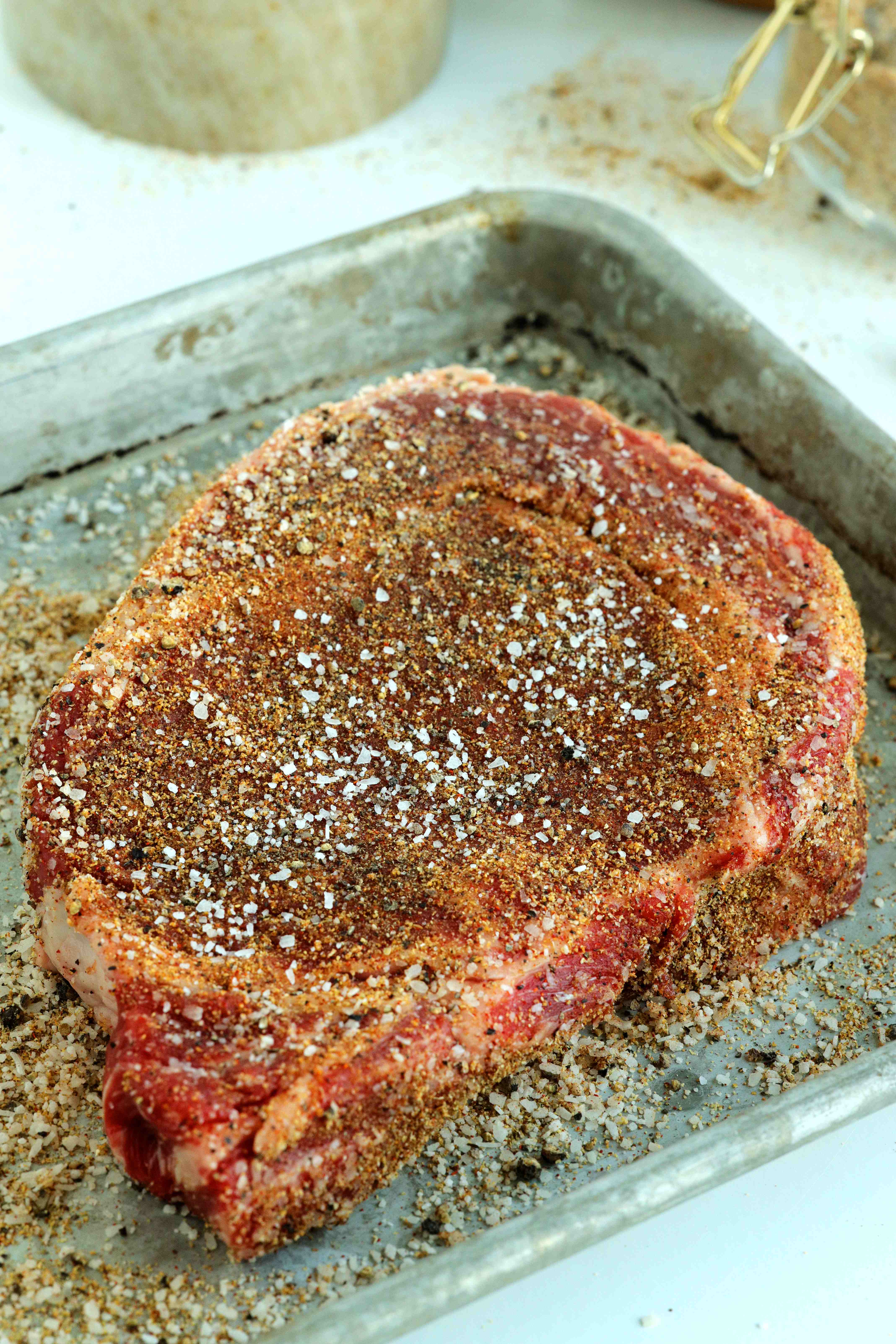
The Secret to Sizzling Steak: Mastering the Art of Seasoning
Transforming a simple cut of beef into a culinary masterpiece isn't just about searing it to perfection; it begins long before it hits the heat. The true artistry lies in mastering the steak seasoning recipe. Far beyond a mere sprinkle of salt, proper seasoning is the bridge that elevates ordinary meat to an unforgettable, melt-in-your-mouth experience. It’s the invisible handshake between the chef and the diner, signaling that something truly special is about to be enjoyed.
A perfectly seasoned steak offers a symphony of flavors that excite the palate from the first bite to the last. It enhances the natural richness of the beef, adds layers of complexity, and contributes to that coveted, crave-worthy crust. In this comprehensive guide, we'll dive deep into the essential role of salt and pepper, explore chef-inspired blends, arm you with practical tips for crafting your own signature mix, and ensure your next steak is nothing short of legendary. Get ready to unlock perfect steak flavor and impress every time.
The Indispensable Foundation: Why Salt and Pepper are Steak's Best Friends
Ask any seasoned chef for their best steak seasoning recipe, and they'll likely start with two humble yet powerful ingredients: salt and pepper. These aren't just additions; they are fundamental flavor activators that fundamentally change the steak's taste and texture.
The Magic of Salt: Flavor, Tenderness, and Crust
Salt plays a transformative role in steak seasoning. When coarse kosher salt or sea salt is generously sprinkled over the meat, it immediately begins to draw out moisture. This creates a temporary brine on the surface, which, over time, is reabsorbed back into the meat, carrying the salt and its flavor deep into the muscle fibers. This process, known as osmosis, doesn't just make the steak taste better; it also enhances its juiciness and tenderness.
- Unlocking Flavor: Salt is a natural flavor enhancer. It doesn't just add its own taste; it amplifies the natural, savory notes of the beef, preventing the meat from tasting bland or flat.
- Tenderization: On the surface, salt begins to break down proteins, contributing to a more tender bite. This also aids in creating that glorious, caramelized crust during high-heat searing.
- Moisture Retention: While salt initially draws out moisture, its reabsorption helps the steak retain its natural juices during cooking, ensuring a moist and succulent interior.
For optimal results, we recommend seasoning your steak generously with coarse salt at least 40 minutes before cooking. This crucial window allows the salt to perform its magic: drawing out moisture, forming the brine, and reabsorbing deeply into the meat. If you don't have 40 minutes, seasoning right before cooking is better than not at all, but avoid seasoning for a short period (e.g., 5-10 minutes) as the salt will only have drawn out moisture without having time to reabsorb.
The Aromatic Kick of Pepper
While salt does the heavy lifting in terms of flavor enhancement and texture, freshly cracked black pepper is its perfect complement. Pepper adds a sharp, aromatic, and slightly spicy kick that beautifully contrasts and complements the richness of the beef.
- Aromatic Depth: The volatile compounds in fresh black pepper release a complex fragrance that contributes significantly to the steak's overall aroma.
- Subtle Heat: Pepper provides a gentle warmth that stimulates the taste buds without overpowering the beef's natural flavor.
- Visual Appeal: The flecks of black pepper add an appealing visual contrast to the steak's surface, signaling the savory treat within.
Always opt for freshly cracked black pepper from a grinder rather than pre-ground pepper. The flavor and aroma are vastly superior, offering a brighter, more pungent kick that pre-ground varieties simply can't match.
Elevating Your Steak: Beyond the Basics with Chef-Inspired Blends
While salt and pepper are undeniably the backbone of any great steak seasoning recipe, venturing beyond these two opens up a world of complex flavors. Many professional chefs and culinary enthusiasts elevate their steaks with carefully crafted blends of herbs and spices, turning a great steak into an extraordinary one. For more in-depth exploration of professional techniques, check out our guide on Season Steak Like a Pro: Chef Blends & Flavor Secrets.
Common Spices for Savory Depth
These pantry staples are go-to ingredients for building rich flavor:
- Garlic Powder & Onion Powder: These provide a concentrated, savory umami punch that enhances the beef's natural flavor without the moisture or potential burning of fresh garlic and onion.
- Paprika (Smoked or Sweet): Paprika adds a vibrant color and a mild, earthy sweetness. Smoked paprika, in particular, imparts a wonderful campfire aroma and flavor, mimicking the effects of grilling even when pan-seared.
- Cayenne Pepper: For those who appreciate a bit of heat, a pinch of cayenne delivers a gentle warmth that awakens the palate. Adjust according to your preferred spice level.
Aromatic Herbs for Freshness and Complexity
Herbs can introduce a fresh, aromatic dimension to your steak:
- Rosemary: With its piney, slightly peppery notes, rosemary pairs exceptionally well with beef. Use fresh sprigs for grilling or finely minced dried rosemary in your rub.
- Thyme: Thyme offers delicate, earthy, and slightly floral notes that complement the richness of steak beautifully. Both fresh and dried varieties work wonderfully.
- Oregano: While often associated with Italian cuisine, a touch of oregano can add a robust, slightly bitter, and peppery flavor to steak rubs.
Celebrated chefs often combine these ingredients to create signature blends. Gordon Ramsay, for instance, is known for incorporating garlic powder, smoked paprika, and a touch of cayenne to achieve depth and warmth in his steak seasoning. Other culinary masters might favor a blend of rosemary, thyme, and high-quality sea salt for a fresh, herbaceous finish. The beauty of these blends lies in their ability to offer an upscale steakhouse flavor right in your own kitchen.
Crafting Your Own Signature Steak Seasoning Recipe
Why settle for generic store-bought blends when you can create a superior, personalized steak seasoning recipe at home? Making your own mix is incredibly simple, offers unparalleled control over flavor, and ensures you're using the freshest ingredients. It’s also often more cost-effective in the long run.
Benefits of DIY Seasoning
- Customization: Tailor the spice levels, salt content, and herb combinations to perfectly match your preference. Love garlic? Add more! Prefer less heat? Dial back the cayenne.
- Freshness: Store-bought blends can sit on shelves for months, losing potency. Crafting your own ensures vibrant, full-flavored spices.
- No Unwanted Additives: Avoid anti-caking agents, excessive sodium, or artificial flavors often found in commercial products.
- Cost-Effective: Buying individual spices in bulk and mixing them yourself is often cheaper than repeatedly purchasing pre-made blends.
A Versatile Homemade Steak Seasoning Recipe Template
This basic blend serves as an excellent starting point. Feel free to adjust ratios and add other spices to make it your own.
- 2 tablespoons Coarse Kosher Salt: The essential base for flavor and texture.
- 1 tablespoon Freshly Cracked Black Pepper: For that aromatic kick.
- 1 tablespoon Garlic Powder: A foundational savory note.
- 1 tablespoon Onion Powder: Adds another layer of umami depth.
- 1 teaspoon Smoked Paprika: For color and a hint of smoky flavor.
- ½ teaspoon Cayenne Pepper (optional): For a subtle warmth.
- ½ teaspoon Dried Rosemary or Thyme (optional): For an herbaceous touch.
Instructions:
- Combine all ingredients in a small bowl.
- Mix thoroughly until well combined.
- Store in an airtight container in a cool, dark place for up to 3-6 months.
Experimentation is key! Some of the best steak seasoning recipes are born from a dash of creativity and a pinch of boldness. Don't be afraid to try adding a touch of ground coffee, mustard powder, or even a hint of brown sugar for caramelization.
Mastering Application and Cooking for Optimal Flavor
Even the best steak seasoning recipe won't yield perfect results without proper application and cooking techniques. The way you apply your seasoning and how you cook the steak directly impacts its final flavor and texture.
When and How Much to Season
- The 40-Minute Rule: As mentioned, for optimal flavor penetration and tenderization, season your steak generously with salt at least 40 minutes before cooking. This allows the salt to draw out moisture and then reabsorb, carrying flavor deep into the meat. If you're using a full seasoning blend, apply it at this time.
- Just Before Cooking: If you don't have the 40 minutes, seasoning immediately before cooking is the next best option. This will still add flavor to the surface and help with crust formation. Avoid seasoning for short periods (5-15 minutes) as this is when the salt is drawing out moisture but hasn't had time to reabsorb, potentially leading to a drier surface.
- Be Generous: Don't be shy with your seasoning. You should see a visible layer of spices covering the entire surface of the steak. Remember, much of it will form a crust and some will cook off. A good rule of thumb is about 1 teaspoon of seasoning per pound of steak, adjusting for desired intensity and steak thickness.
Seasoning and Cooking Interaction
The seasoning interacts with the heat to create that desirable crust and depth of flavor:
- Grilling: On the grill, the high, direct heat caramelizes the sugars and fats on the surface, creating a flavorful bark. The spices in your rub will adhere to this crust, providing an intense burst of flavor with every bite.
- Pan-Searing: In a hot cast-iron skillet, the seasoning forms a beautiful crust known as "fond." This fond, when deglazed, can contribute immensely to a pan sauce, carrying the steak's flavor throughout the meal.
- Smoking: For smoked steaks, the seasoning often forms a robust "bark" as the smoke penetrates the meat, creating a deeper, more complex flavor profile than other cooking methods.
Always ensure your steak is patted thoroughly dry with paper towels before seasoning. Excess moisture will inhibit crust formation, leading to a steamed rather than seared exterior.
Conclusion: Your Journey to Steak Perfection
Seasoning a steak is truly an art form, a critical step that transforms a good cut of meat into an unforgettable culinary experience. From the foundational power of coarse salt and freshly cracked pepper to the intricate layers of chef-inspired spice blends, every element plays a vital role in unlocking perfect steak flavor. By understanding the science behind the seasoning, experimenting with various herbs and spices, and meticulously applying your chosen steak seasoning recipe, you gain the power to create restaurant-quality masterpieces in your own kitchen.
So, next time you're preparing a steak, remember: don't just season it; empower it. Embrace the journey of discovery, customize your blends, and savor the incredible depth of flavor that proper seasoning brings. Your taste buds, and your guests, will thank you.
