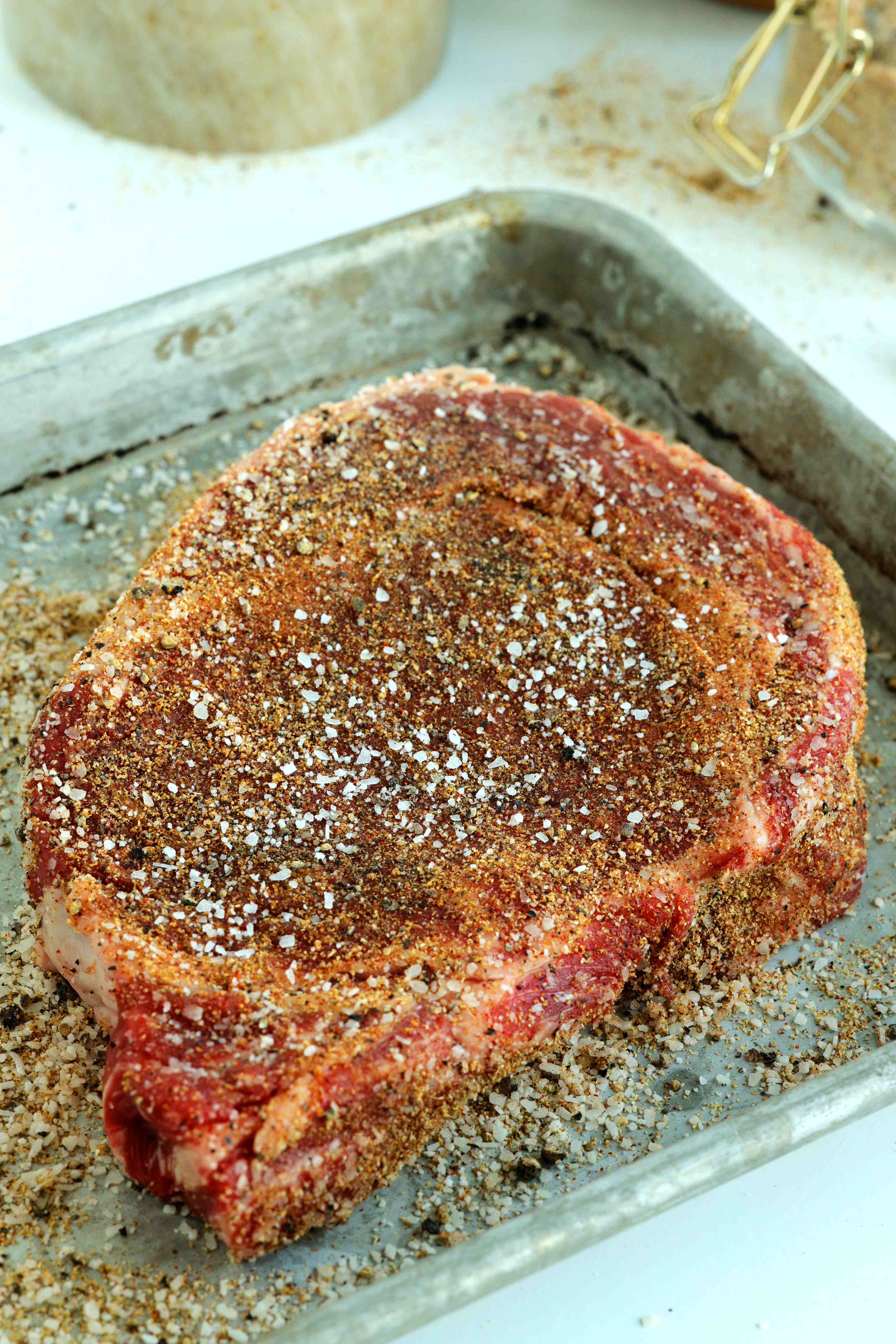
Season Steak Like a Pro: Chef Blends & Flavor Secrets
Seasoning a steak is far more than a casual sprinkle of salt; it's a fundamental culinary technique that elevates a simple cut of beef into an unforgettable masterpiece. The right combination of spices can transform an ordinary steak into a melt-in-your-mouth, flavor-packed experience, leaving a lasting impression on your palate. In this comprehensive guide, we'll dive deep into the world of the best steak seasoning recipe options, uncover chef-inspired blends, explore the science behind effective seasoning, and provide practical tips to help you achieve restaurant-quality results in your own kitchen. Whether you prefer your steak grilled, pan-seared, or smoked, mastering the art of seasoning is your first step to perfection.The Foundational Art of Steak Seasoning: Why It Matters
Think of seasoning as the essential bridge between raw meat and a truly remarkable dish. The inherent taste of beef is rich and savory, but without proper seasoning, it can often fall flat, lacking the vibrancy that makes a steak truly shine. Salt, in particular, plays an indispensable role in unlocking and amplifying the meat’s natural flavors. When sprinkled generously over a steak, coarse salt initially draws out moisture, which then combines with the salt to create a natural brine. This flavorful brine is subsequently reabsorbed into the meat, carrying deliciousness deep into its fibers. Pepper, on the other hand, adds a crucial sharp, aromatic kick that beautifully complements the richness of the beef, while various herbs and spices layer in complexity and intrigue. A well-seasoned steak excites the taste buds from the very first bite to the last, promising an experience that goes beyond mere sustenance. Beyond taste, effective seasoning significantly influences the texture and mouthfeel of your steak. Salt not only enhances flavor but also tenderizes the surface, playing a key role in developing that coveted, intensely flavored crust when seared at high heat. Spices like paprika, garlic powder, or onion powder contribute to a flavorful "bark" that helps to lock in precious juices, ensuring your steak remains tender, moist, and bursting with flavor. When combined with precise cooking techniques, seasoning is the secret handshake between a chef and diner – that thoughtful touch that communicates, "You're about to enjoy something truly special."Mastering the Core: Salt and Pepper – The Ultimate Steak Seasoning Recipe Foundation
Ask any seasoned culinary professional, and they'll tell you that the most exceptional steak seasoning recipe often begins with elegant simplicity. For high-quality cuts of beef, a generous application of coarse kosher salt and freshly cracked black pepper is often all you need to allow the steak’s natural, robust flavors to take center stage. The coarse grains of salt effectively penetrate the meat, enhancing juiciness and contributing to a delectable crust, while the black pepper introduces a subtle warmth and piquant aroma that harmonizes perfectly with the beef's richness. For optimal results, don't be shy with your seasoning, especially with thicker cuts. The general rule of thumb is to season generously at least 40 minutes, or even up to 2 hours, before cooking. This crucial resting period allows the salt ample time to draw out moisture and then reabsorb it, carrying flavor deep within the meat’s structure. When choosing your foundational elements:- Coarse Kosher Salt: Its larger flakes allow for better adherence to the meat and a more controlled salt penetration than fine table salt. It’s also free from anti-caking agents that can impart off-flavors. Flaky sea salt (like Maldon) can also be used for a slightly different texture and flavor profile.
- Freshly Cracked Black Pepper: Ditch the pre-ground pepper! Freshly cracked pepper from a grinder provides a vastly superior aroma and sharper flavor profile. Experiment with different varieties like Tellicherry or Sarawak for nuanced notes.
Beyond Basics: Chef-Inspired Steak Seasoning Recipes and Flavor Enhancers
While the salt-and-pepper combo is timeless and undeniably effective, many chefs love to elevate their steak seasoning with unique blends, transforming a simple protein into a complex culinary experience. Moving beyond the basics opens up a world of aromatic possibilities that can perfectly complement the rich taste of beef. Here are some common flavor enhancers and how they contribute to a phenomenal homemade steak seasoning recipe:- Garlic Powder & Onion Powder: These provide a deep, savory umami base that is universally appealing and adds incredible depth without the risk of burning fresh garlic or onion during high-heat cooking.
- Paprika (Smoked, Sweet, Hot): Paprika is incredibly versatile. Smoked paprika lends a beautiful smoky aroma and taste, while sweet paprika adds a vibrant color and mild fruitiness. Hot paprika introduces a gentle warmth.
- Cayenne Pepper or Chili Flakes: For those who appreciate a bit of a kick, cayenne or chili flakes can introduce a subtle or pronounced heat that awakens the palate and adds another layer of complexity.
- Dried Herbs: Rosemary, thyme, and oregano are classic choices for beef. Rosemary offers a piney, earthy aroma, thyme is subtly herbaceous and peppery, and oregano provides a pungent, slightly bitter note. These herbs contribute a fresh, aromatic finish that can transport your steak to a Mediterranean bistro.
- The Classic Savory Blend: Equal parts coarse salt, freshly cracked black pepper, garlic powder, onion powder, and a generous pinch of sweet or smoked paprika.
- The Herby Mediterranean Rub: Coarse salt, black pepper, dried rosemary, dried thyme, a touch of oregano, and a hint of lemon zest (optional, but brightens flavor).
- The Smoky Heat Blend: Coarse salt, black pepper, smoked paprika, a pinch of cayenne, and a whisper of cumin for an exotic touch.
Crafting Your Own Signature Steak Seasoning Recipe: The DIY Advantage
While store-bought spice rubs offer convenience, making your own amazing steak seasoning recipe at home is incredibly simple and gives you unparalleled control over flavor, quality, and freshness. You can avoid anti-caking agents, excess sodium, and artificial flavors often found in commercial blends. Plus, it's often more cost-effective. Creating your own blend takes mere minutes and can be stored in an airtight container for months, ready to transform any cut of beef (or chicken, pork, and even vegetables!) into a steakhouse-quality meal. Here's a highly versatile homemade steak seasoning recipe to get you started:Best Homemade Steak Seasoning Blend
This bold, savory spice blend offers the perfect balance of salt, pepper, garlic, and smoky paprika, guaranteeing a perfect crust and incredible flavor.
Ingredients:- 2 tablespoons coarse Kosher salt
- 1 tablespoon freshly cracked black pepper
- 1 tablespoon garlic powder
- 1 tablespoon onion powder
- 1 teaspoon smoked paprika (or sweet paprika for a milder flavor)
- ½ teaspoon dried oregano
- ¼ teaspoon cayenne pepper (optional, for a kick)
- In a small bowl, combine all the ingredients.
- Stir well to ensure everything is evenly distributed.
- Transfer the mixture to an airtight container (like a spice jar) and store in a cool, dark place for up to 6 months.
- When ready to cook, pat your steak dry thoroughly with paper towels. Season generously on all sides, pressing the seasoning gently into the meat. Allow the steak to rest for at least 40 minutes at room temperature before cooking to achieve the best flavor penetration and crust.
Advanced Seasoning Techniques & Tips for Pro Results
Beyond the perfect spice blend, how you apply and utilize your steak seasoning recipe can make a significant difference:- Pat Dry, Always: Before any seasoning touches your steak, ensure it's completely dry using paper towels. Moisture on the surface inhibits crust development and can steam the meat instead of searing it.
- Generosity is Key: Don't be timid, especially with thicker cuts. A good visual cue is to ensure the entire surface of the steak is coated in seasoning. Much of the seasoning will fall off during cooking, so you need enough to adhere and create flavor.
- Timing Matters: As mentioned, seasoning 40 minutes to 2 hours (or even overnight for very thick cuts) before cooking allows the salt to work its magic. If you don't have that much time, season immediately before cooking – within 5-10 minutes – to avoid the interim period where salt draws out moisture but hasn't had time to reabsorb.
- The 3-3-3 Rule (A Cooking Reference): While focusing on seasoning, understanding cooking principles like the "3-3-3 rule" (often referring to a searing pattern of 3 minutes per side, then 3 minutes of resting) complements proper seasoning. Great seasoning needs great cooking to shine.
- Finishing Touches: After your steak is cooked and rested, a final sprinkle of flaky sea salt (like Maldon) can add a delightful textural crunch and a burst of bright, briny flavor that finishes the dish beautifully.
